


 +86 18681836350
  info@monokj.com




Components operating in high-temperature environments do not always fail because of insufficient strength. In many industrial furnaces, gas turbines and thermal processing systems, oxidation, thermal cycling and long-term exposure to hot gases become the primary factors limiting equipment life. Materials used in these applications must therefore provide a balance of thermal stability, oxidation resistance and fabrication performance rather than focusing on a single property.
Hastelloy X Alloy (UNS N06002) was developed for exactly these demanding service conditions. Its nickel-chromium-iron-molybdenum composition offers excellent resistance to oxidation at elevated temperatures together with good weldability, making it a widely specified material for fabricated hot-section components and high-temperature industrial equipment.
Equipment designed for elevated-temperature service often requires materials that remain stable during continuous heating and repeated thermal cycling. While some nickel alloys are selected primarily for corrosion resistance, others are chosen because maintaining structural integrity in oxidizing atmospheres is the greater engineering challenge.
Hastelloy X is commonly applied where fabricated components must withstand prolonged exposure to high temperatures while retaining dimensional stability and reliable weldability. It is frequently specified for furnace systems, combustion equipment and gas turbine components where oxidation resistance is a more critical design consideration than resistance to aggressive aqueous chemicals.
Continuous service in oxidizing atmospheres above 800°C
Components exposed to repeated thermal cycling
Fabricated structures requiring excellent weldability
High-temperature oxidation resistance
Long-term thermal stability
Compliance with ASTM and ASME material specifications
Parameter | Range & Options |
Product forms | Plate, Sheet, Seamless Pipe, Welded Pipe, Tube, Round Bar, Forging |
Standards | ASTM B435, B572, B619, B622; AMS 5536, AMS 5754 |
Alloy | Hastelloy X (UNS N06002 / W.Nr. 2.4665) – Ni‑Cr‑Fe‑Mo alloy |
Plate thickness | Hastelloy X Plate 6mm, 12mm – up to 50mm |
Sheet size | Hastelloy X Sheet 4x8 (1220x2440mm) – Hastelloy X Sheet Dimensions |
Pipe schedules | SCH40, SCH80 – Hastelloy X Pipe SCH40, SCH80 |
Bar diameter | Hastelloy X Round Bar 50mm – other diameters on request |
Processes | Hot rolled (plate), cold rolled (sheet), seamless/cold drawn, welded, forged, solution annealed, precision machined |
Surface finish | Pickled, polished, as‑rolled, ground |
Customization | Custom size Hastelloy X, cut to length, precision machining, Hastelloy X forging supplier |
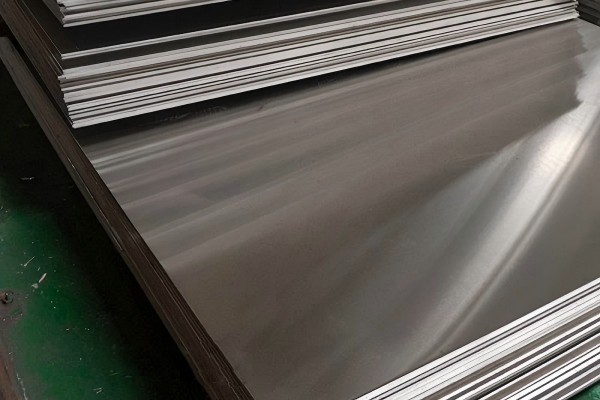
Industrial furnaces operate under continuous exposure to hot oxidizing gases, where scaling and thermal fatigue gradually reduce component life. Hastelloy X Plate is widely used for furnace liners, radiant tubes and fabricated heat-treatment assemblies because it combines oxidation resistance with dependable high-temperature stability.
Large fabricated furnace structures also demand consistent welding performance. Good fabrication characteristics help manufacturers produce complex assemblies without compromising long-term reliability during repeated heating and cooling cycles.
Support brackets, trays and internal fixtures experience constant temperature fluctuations throughout daily operation. Selecting a material with stable mechanical behaviour helps extend maintenance intervals and improves equipment availability.
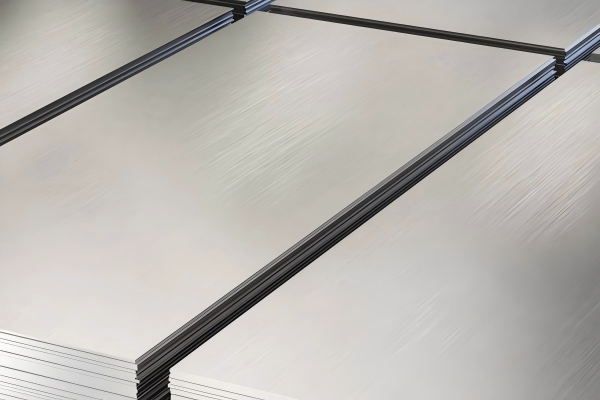
Combustion chambers and transition ducts are exposed to high-velocity hot gases that accelerate oxidation over extended operating periods. Hastelloy X Sheet is commonly specified for these fabricated components where thermal stability and formability are equally important.
Gas turbine manufacturers also place significant emphasis on fabrication efficiency. Reliable welding characteristics simplify the production of complex hot-section assemblies while maintaining consistent performance during long-term service.
Auxiliary structures surrounding the combustion zone benefit from materials capable of resisting distortion under repeated thermal cycling, helping improve operational reliability.
Aircraft engines contain numerous fabricated parts that experience continuous heating and cooling throughout every operating cycle. Hastelloy X Round Bar is regularly machined into support rings, structural hardware and other non-rotating hot-section components where oxidation resistance contributes to longer service life.
Material consistency is particularly important for precision machining. Stable microstructure and predictable processing behaviour allow manufacturers to achieve tight dimensional tolerances while maintaining production efficiency.
Where multiple fabricated and machined components share the same material specification, standardized supply also helps simplify inventory management and quality control.
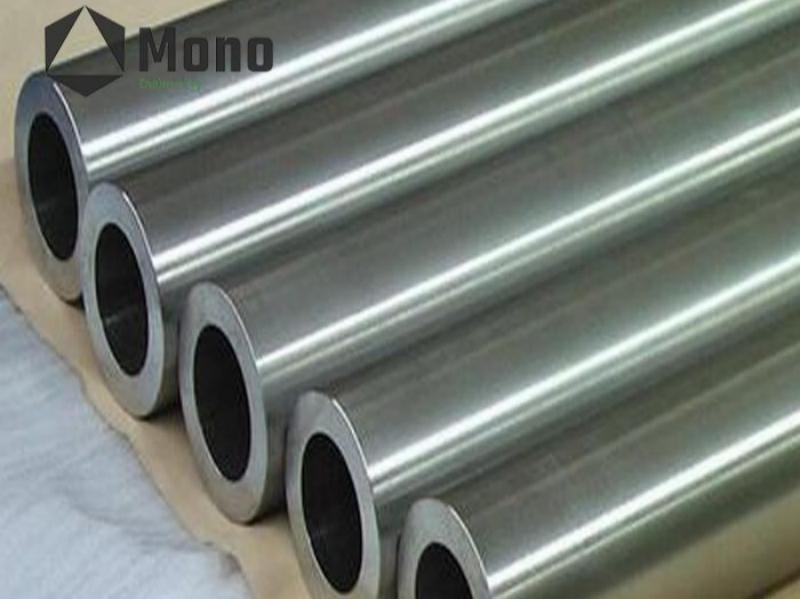
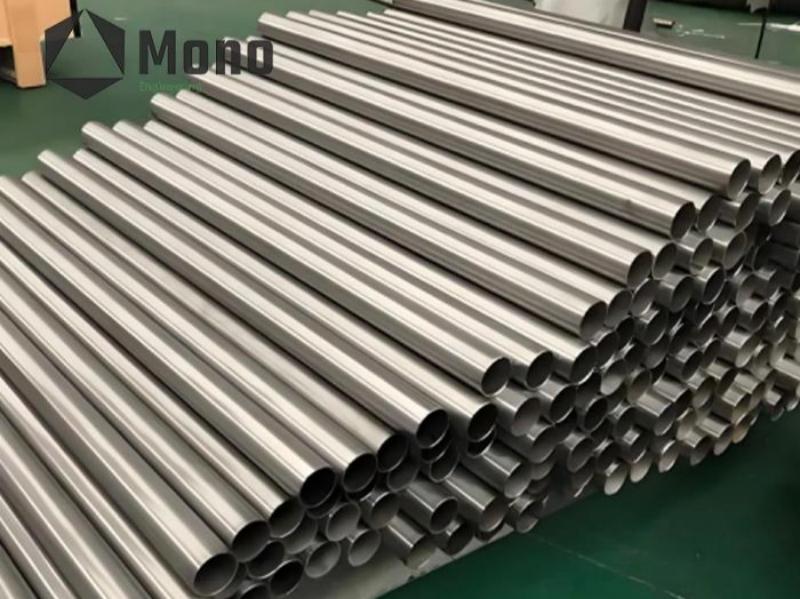
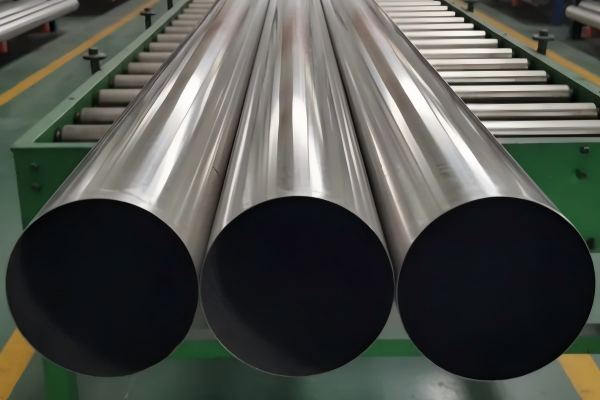
Thermal processing equipment used in refineries and petrochemical plants frequently operates under elevated temperatures while handling combustion gases and process exhaust. Hastelloy X Seamless Pipe is often selected for high-temperature piping and furnace-related systems where oxidation resistance is essential.
Reliable operation depends not only on the material itself but also on appropriate manufacturing condition, inspection and dimensional consistency. Careful control of these factors contributes to longer service life and reduced maintenance requirements across complete processing systems.
Specifications for high-temperature alloys often focus on the material grade, yet production performance is equally influenced by delivery condition, fabrication method and manufacturing quality.
Before placing an order, it is worth confirming whether the material will be welded, machined or directly exposed to cyclic heating. Reviewing these requirements early helps determine the appropriate processing route, inspection level and supply condition, reducing unnecessary manufacturing costs while improving overall project reliability.
Q: Why is Hastelloy X widely used for high-temperature applications?
A: ts balanced combination of oxidation resistance, thermal stability and weldability makes it suitable for fabricated components operating in continuous high-temperature environments.
Q: Which ASTM specifications are commonly used?
A: Common standards include ASTM B572 for bar, ASTM B435 for plate and sheet, ASTM B622 for seamless pipe, ASTM B619 for welded pipe, ASTM B626 for welded tube and ASTM B564 for forgings.
Q: Is Hastelloy X suitable for welding?
A: Yes. The alloy offers good weldability and is widely used in fabricated furnace equipment, combustion systems and gas turbine components.
Q: Which industries commonly use this material?
A: Typical applications include aerospace, gas turbines, industrial furnaces, heat treatment equipment, petrochemical processing and power generation.
Q: Can Mono customized dimensions be supplied?
A: Yes. Standard stock, cut-to-size materials and project-specific processing services can all be provided according to customer requirements.
Large engineering projects rarely source only one product form. Coordinating plates, bars, pipes and forgings under the same material specification helps simplify inspection, documentation and inventory management throughout fabrication and installation.
Mono supports these requirements through flexible production planning, customized dimensions and project-oriented supply. Our team also assists with processing methods, inspection documentation and delivery coordination to help reduce sourcing complexity for OEM manufacturers, industrial fabricators and EPC contractors.
The goal is not simply to deliver material, but to provide a supply solution that integrates smoothly with the customer’s manufacturing and project schedule.