


 +86 18681836350
  info@monokj.com


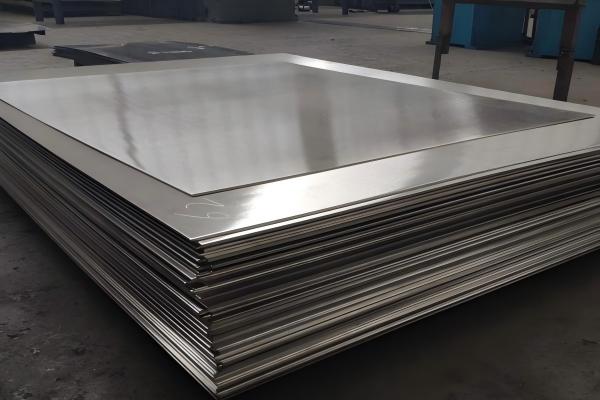


Corrosion resistance is not always determined by exposure to the most aggressive chemical. In many process plants, equipment experiences repeated heating, cooling, welding and maintenance throughout its service life. Under these conditions, preserving corrosion resistance after fabrication becomes just as important as the alloy's performance in the operating medium.
Hastelloy C-4 Alloy (UNS N06455) was developed to address this challenge. As a nickel-chromium-molybdenum alloy with exceptionally low carbon and silicon contents, it offers excellent thermal stability and resistance to intergranular corrosion after welding or heat treatment. These characteristics make it a preferred material for fabricated chemical processing equipment operating in aggressive corrosive environments.
Long service life often depends on what happens during fabrication rather than during operation alone. Welding, forming and subsequent thermal exposure can alter the corrosion behaviour of many alloys, especially in large chemical processing equipment assembled from multiple welded sections.
Hastelloy C-4 is commonly selected where maintaining corrosion resistance after fabrication is a key engineering requirement. It is particularly suitable for welded vessels, pressure equipment, heat exchangers and process piping that must remain stable after manufacturing as well as during long-term exposure to aggressive chemical media.
Typical Selection Criteria
Equipment containing extensive welded structures
Resistance to intergranular corrosion after welding
Mixed oxidizing and reducing chemical environments
High thermal stability during fabrication
Reliable performance in chemical processing systems
Compliance with ASTM and ASME material specifications
Parameter | Range & Options |
Product forms | Plate, Sheet, Seamless Pipe, Welded Pipe, Tube, Round Bar, Forging |
Standards | ASTM B575 (plate/sheet), ASTM B619 (welded pipe), ASTM B622 (seamless pipe/tube), ASTM B574 (bar), ASME SB575 |
Alloy | Hastelloy C-4 (UNS N06455 / W.Nr. 2.4610) – Ni‑Cr‑Mo alloy |
Plate thickness | Hastelloy C-4 Plate 6mm, 10mm – up to 50mm (thicker on request) |
Sheet size | Hastelloy C-4 Sheet 4x8 (1220x2440mm) – Hastelloy C-4 Sheet Dimensions |
Pipe schedules | SCH40, SCH80 – Hastelloy C-4 Pipe SCH40, SCH80 |
Bar diameter | Hastelloy C-4 Round Bar 50mm – other diameters available |
Processes | Hot rolled (plate), cold rolled (sheet), seamless/cold drawn, welded, forged, pickled, polished |
Surface finish | Pickled (standard), polished, bright annealed, as‑rolled |
Customization | Custom size Hastelloy C-4, cut to size, precision ground, fabricated components |
1. Fabricated Chemical Processing Equipment
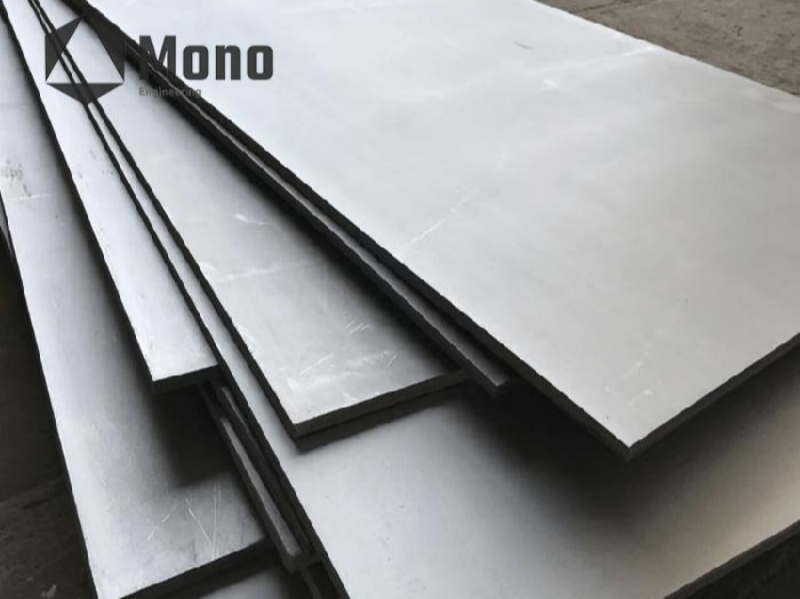
Large reactors, storage tanks and process vessels are commonly assembled from numerous welded sections before entering service. Hastelloy C-4 Plate is widely used for these fabrications because its thermal stability helps preserve corrosion resistance after welding, reducing the risk of localized attack around heat-affected zones.
During equipment fabrication, consistent material behaviour also simplifies forming and assembly. Stable metallurgical characteristics allow manufacturers to produce complex structures while maintaining confidence in long-term corrosion performance.
Where multiple fabricated components share the same alloy specification, inspection and quality management can also be streamlined throughout the manufacturing process.
2. Heat Exchangers & Process Piping
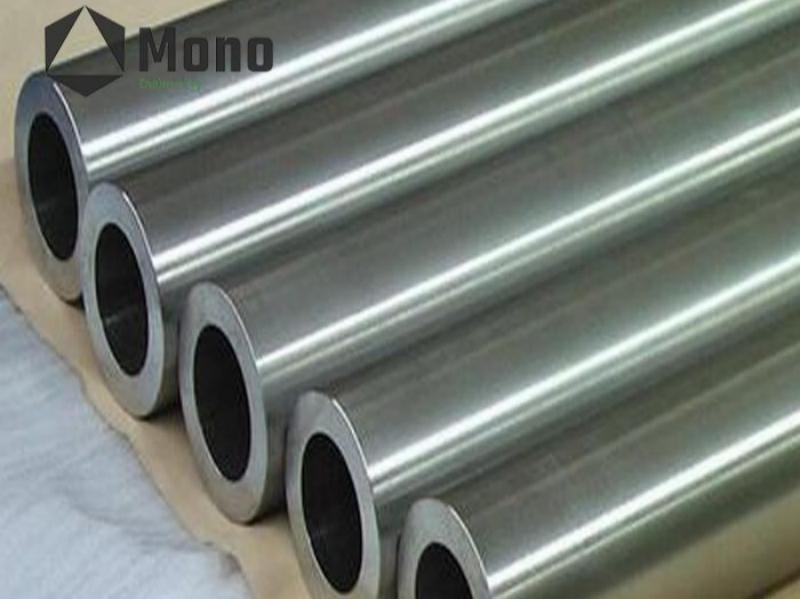
Heat exchangers frequently experience changing temperatures together with corrosive process fluids, requiring materials that maintain reliable performance over extended operating cycles. Hastelloy C-4 Tube is commonly specified for these systems because it combines broad corrosion resistance with excellent stability after fabrication.
Chemical transfer lines present another challenge. Welded joints, branch connections and fittings are often exposed to localized corrosion before straight pipe sections. Selecting compatible materials across the entire piping system helps improve sealing reliability and reduce maintenance frequency.
Maintaining consistent material specifications throughout the piping network also simplifies future repairs and replacement planning.
3. Pickling & Acid Processing Equipment
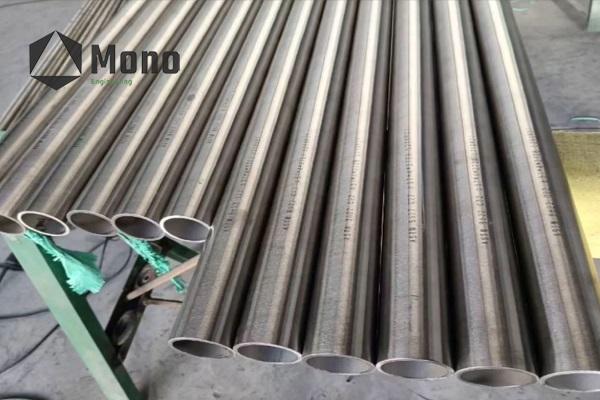
Pickling systems and acid-processing units operate under conditions where both corrosion resistance and fabrication quality influence equipment life. Hastelloy C-4 Pipe is regularly selected for process lines transporting aggressive chemical media because it provides dependable corrosion performance across a wide range of operating conditions.
Fabricated vessels, spray systems and acid circulation equipment also benefit from materials that retain corrosion resistance following welding and thermal processing, helping minimize unexpected maintenance caused by localized corrosion.
For facilities handling multiple process chemicals, selecting one versatile alloy can simplify spare parts management and standardize maintenance procedures.
4. Pressure Equipment & Precision Components
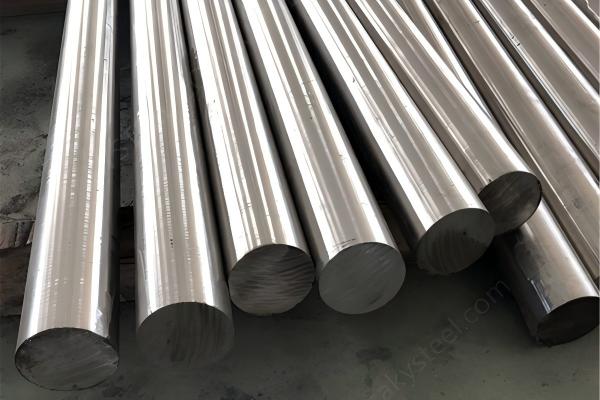
Pressure-retaining equipment depends on more than compliance with design codes. Material consistency, machining quality and reliable inspection all contribute to long-term operational safety. Hastelloy C-4 Round Bar is frequently machined into shafts, valve components and structural hardware used in corrosive processing environments.
Projects requiring forgings, flanges and machined parts often benefit from sourcing multiple product forms under a unified material specification. This approach supports traceability, simplifies procurement and helps maintain consistent quality throughout the project lifecycle.
Engineering drawings usually specify the alloy grade, but procurement decisions extend well beyond selecting the correct material designation. Delivery condition, welding requirements, inspection documentation and available processing services all influence manufacturing efficiency once materials arrive at the workshop.
Reviewing these details together at the quotation stage can help reduce fabrication adjustments, avoid unnecessary production delays and improve coordination between purchasing, manufacturing and quality teams.
Q: What distinguishes Hastelloy C-4 from other corrosion-resistant nickel alloys?
A: One of its key advantages is excellent thermal stability, allowing it to maintain corrosion resistance after welding and heat treatment, making it particularly suitable for fabricated chemical processing equipment.
Q: Which ASTM standards are commonly specified?
A: Frequently referenced standards include ASTM B575 for plate and sheet, ASTM B574 for bar, ASTM B622 for seamless pipe, ASTM B619 for welded pipe, ASTM B626 for welded tube, ASTM B564 for forgings and ASTM B366 for pipe fittings.
Q: Which industries commonly use Hastelloy C-4?
A: Typical applications include chemical processing, petrochemical plants, pharmaceutical production, heat exchangers, pressure vessels, pickling equipment, waste treatment facilities and flue gas desulfurization systems.
Q: Is Hastelloy C-4 suitable for welded structures?
A: Yes. Its excellent thermal stability and resistance to intergranular corrosion make it particularly suitable for large fabricated equipment containing extensive welded joints.
Q: Can Mono custom sizes and machining services be provided?
A: Yes. Materials can be supplied in standard dimensions or manufactured to project-specific requirements with additional machining, cutting and inspection services.
Chemical processing projects often involve more than one purchasing package. Plates for vessel fabrication, tubes for heat exchangers, bars for machined components and forgings for pressure equipment may all be required under the same project schedule.
Mono helps customers coordinate these material requirements through integrated supply planning, flexible processing options and complete inspection documentation. This approach reduces the effort of managing multiple suppliers while improving material consistency across the project.
From prototype equipment to large-scale plant construction, our objective is to deliver materials that support efficient fabrication, reliable quality control and predictable project execution rather than simply fulfilling an order.