


 +86 18681836350
  info@monokj.com




Modern chemical plants rarely process a single corrosive medium throughout an entire production cycle. Equipment may encounter sulfuric acid, hydrochloric acid and mixed process streams at different operating stages, making alloy selection far more complex than matching one material to one chemical.
Developed for this challenge, Hastelloy C-2000 Nickel Alloy (UNS N06200) delivers broad corrosion resistance across both oxidizing and reducing environments while maintaining excellent fabrication characteristics. Its balanced alloy design makes it a practical choice for process equipment where corrosion performance, weldability and long-term reliability must all be considered together.
Every corrosion-resistant alloy is developed to solve a different engineering challenge. Some grades are designed to maximize performance in a specific acid, while others are expected to remain reliable across changing process conditions where multiple corrosive media may be encountered during normal operation.
Hastelloy C-2000 belongs to the latter category. Rather than being optimized for only one chemical environment, it is frequently selected for equipment exposed to mixed acids, chloride-containing solutions and complex process streams where corrosion conditions cannot always be predicted in advance. Its balanced combination of corrosion resistance, fabrication performance and weldability makes it well suited for engineered process equipment requiring long-term reliability.
Typical Selection Criteria
Mixed oxidizing and reducing acid environments
Sulfuric acid and hydrochloric acid service
High resistance to pitting and crevice corrosion
Fabricated equipment requiring reliable weldability
Long service life with reduced maintenance requirements
Compliance with international pressure equipment standards
Parameter | Range & Options |
Product forms | Plate, Sheet, Seamless Pipe, Welded Pipe, Tube, Round Bar, Forging |
Standards | ASTM B575, B619, B622, B574, ASME SB575, EN 2.4675 |
Alloy | Hastelloy C-2000 (UNS N06200) – Ni‑Cr‑Mo alloy |
Plate thickness | Hastelloy C-2000 Plate 6mm, 10mm – up to 50mm |
Sheet size | Hastelloy C-2000 Sheet 4x8 (1220x2440mm) – Hastelloy C-2000 Sheet Dimensions |
Pipe schedules | SCH40, SCH80 – Hastelloy C-2000 Pipe SCH40, SCH80 |
Bar diameter | Hastelloy C-2000 Round Bar 50mm – other diameters on request |
Processes | Hot rolled (plate), cold rolled (sheet), seamless/cold drawn, welded, forged, pickled, polished |
Surface finish | Pickled (standard), polished, bright annealed, as‑rolled |
Customization | Custom size Hastelloy C-2000, cut to length, precision grinding, Hastelloy C-2000 forging supplier |
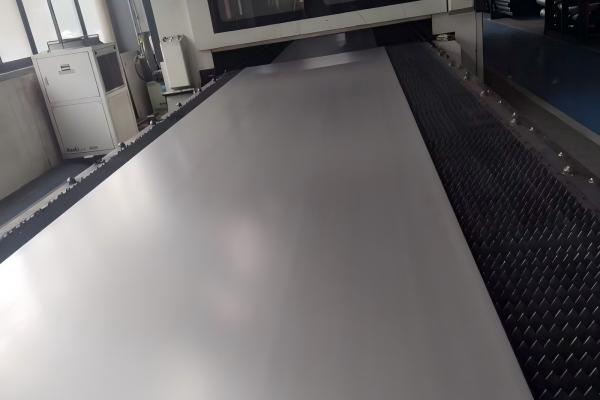
Chemical reactors, storage vessels and mixing tanks often operate under changing process conditions where both oxidizing and reducing acids may be present. Selecting a material with broad corrosion resistance helps simplify equipment design while reducing the risk of premature corrosion failure. Hastelloy C-2000 Plate is widely specified for these fabricated components because it performs reliably across a wide range of aggressive chemical media.
Large process vessels also place high demands on welding quality and fabrication performance. This alloy maintains excellent corrosion resistance after fabrication, making it suitable for complex welded structures used in chemical plants and specialty process equipment.
Internal components such as baffles, agitators and support assemblies are frequently exposed to localized attack caused by stagnant chemicals. Using the same material throughout these critical areas improves corrosion consistency and helps reduce maintenance during long-term operation.
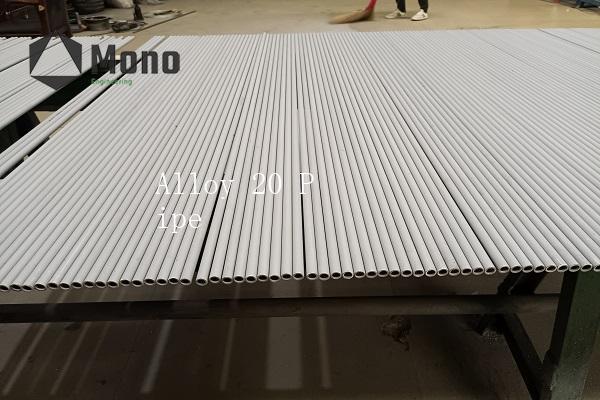
Chemical transfer systems are rarely exposed to a single operating condition. Variations in acid concentration, temperature and flow rate can significantly influence the service life of process piping. Hastelloy C-2000 Seamless Pipe is commonly selected where stable corrosion resistance is required across multiple process environments.
Pipework in modern chemical facilities must also allow efficient fabrication and dependable welded joints. Good weldability enables the material to be incorporated into complex piping layouts without sacrificing long-term reliability.
Areas around flanges, fittings and welded connections are often the first locations where localized corrosion develops. Choosing compatible materials throughout the piping system helps maintain sealing performance and minimizes unexpected shutdowns.
Heat exchangers handling corrosive process media require more than mechanical strength. Long service life depends on the ability to resist localized corrosion while maintaining stable performance under continuous operation. Hastelloy C-2000 Tube is therefore widely used in heat transfer equipment serving aggressive chemical processes.
Pressure vessels designed for acid production or specialty chemicals must satisfy both corrosion requirements and international material specifications. The grade is well suited for fabricated pressure equipment where durability and manufacturing quality are equally important.
Forged nozzles, covers and pressure-retaining components benefit from consistent material properties throughout the production process, helping improve overall equipment reliability in demanding operating environments.
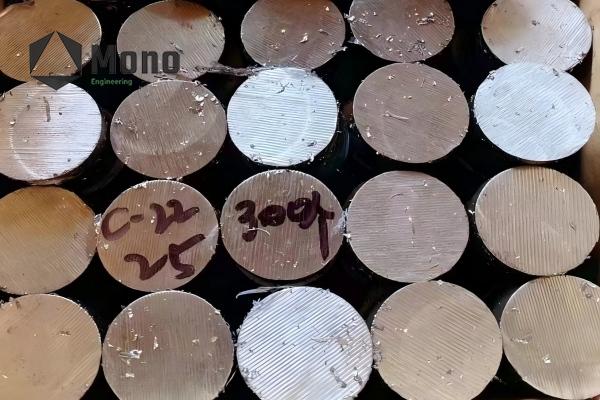
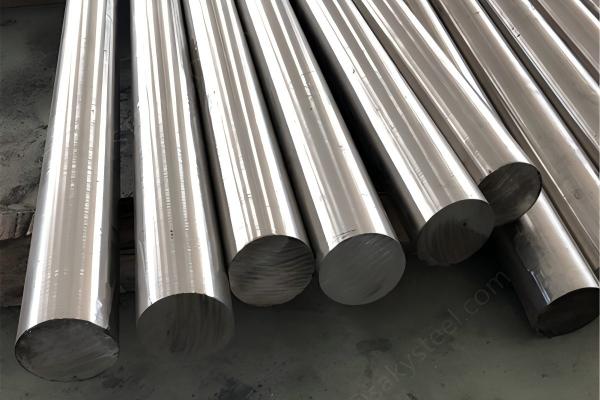
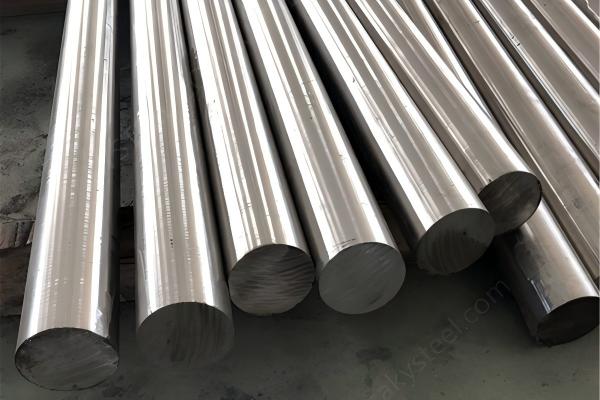
Pumps, valves and flow-control equipment rely on accurately machined components to maintain sealing performance in corrosive service. Hastelloy C-2000 Round Bar provides a reliable starting material for shafts, valve stems and other precision parts exposed to aggressive chemical media.
Manufacturers often prefer semi-finished materials that reduce machining time while maintaining dimensional consistency. Standard stock together with custom sizes allows production to move efficiently from prototype development to volume manufacturing.
For EPC contractors and OEM equipment builders, sourcing multiple product forms from a single supplier also helps simplify procurement, maintain material traceability and ensure consistency throughout an entire project.
Many buyers compare Hastelloy C-2000, Hastelloy C276 and Hastelloy C22 based only on their chemical composition. In practice, the more important consideration is the actual process environment.
Hastelloy C-2000 was specifically developed to provide broader resistance across both oxidizing and reducing acids, making it particularly suitable for mixed acid service where operating conditions may change over time. Before selecting the alloy, buyers should evaluate the process media, concentration, operating temperature and applicable ASTM specifications rather than choosing a material solely by alloy family or molybdenum content.
Q: What makes Hastelloy C-2000 different from other corrosion resistant nickel alloys?
Its alloy design provides balanced resistance in both oxidizing and reducing acid environments, making it particularly suitable for mixed chemical processes rather than a single corrosive medium.
Q: Which ASTM specifications are commonly used?
The most common standards include ASTM B575 for plate and sheet, ASTM B574 for bar, ASTM B622 for seamless pipe, ASTM B619 for welded pipe, ASTM B626 for welded tube, ASTM B564 for forgings and ASTM B366 for pipe fittings.
Q: Which industries commonly use this material?
It is widely applied in chemical processing, petrochemical production, pharmaceutical equipment, acid production facilities, heat exchangers and pressure vessels.
Q: Is it suitable for fabricated equipment?
Yes. Good weldability and stable corrosion performance after fabrication make it suitable for reactors, storage vessels and custom process equipment.
Q: Can Mono custom sizes and machining services be provided?
Yes. Materials can be supplied in standard dimensions or processed according to project drawings, including cutting, machining and inspection services.
Every project places different demands on material supply. Some require mill-certified products that comply with international specifications, while others need semi-finished materials prepared for immediate manufacturing. Mono supports both approaches through flexible production planning and project-oriented supply. Beyond supplying materials, our team works with customers on processing methods, inspection documentation, delivery conditions and customized dimensions to help simplify procurement and improve manufacturing efficiency. Whether the requirement involves a single replacement component or a complete engineering project, our focus remains the same: delivering reliable materials that integrate smoothly into your production schedule.