


 +86 18681836350
  info@monokj.com




Not every corrosion problem begins inside a reactor or storage tank. In many processing systems, the first signs of material degradation appear in the piping network, where continuous fluid flow, changing temperatures and aggressive media place constant demands on the pipe itself. Selecting the right pipe material is therefore essential to maintaining long-term process reliability.
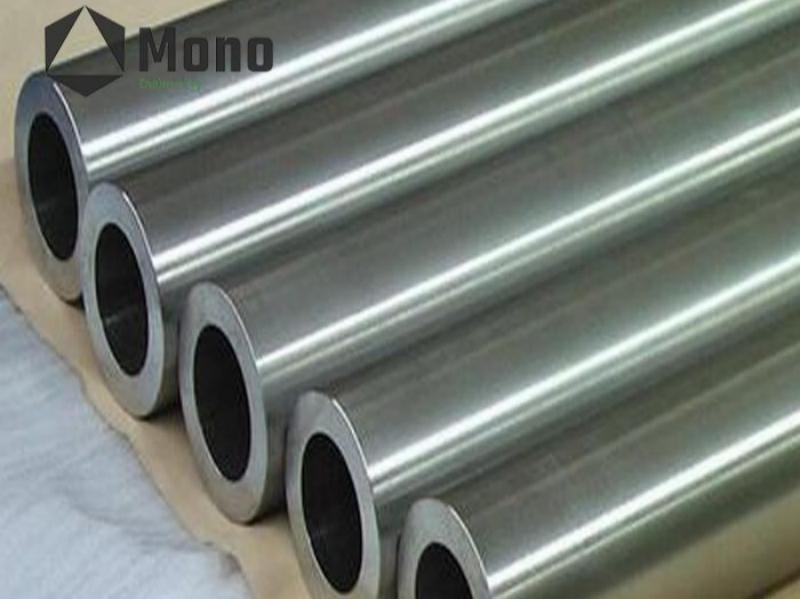
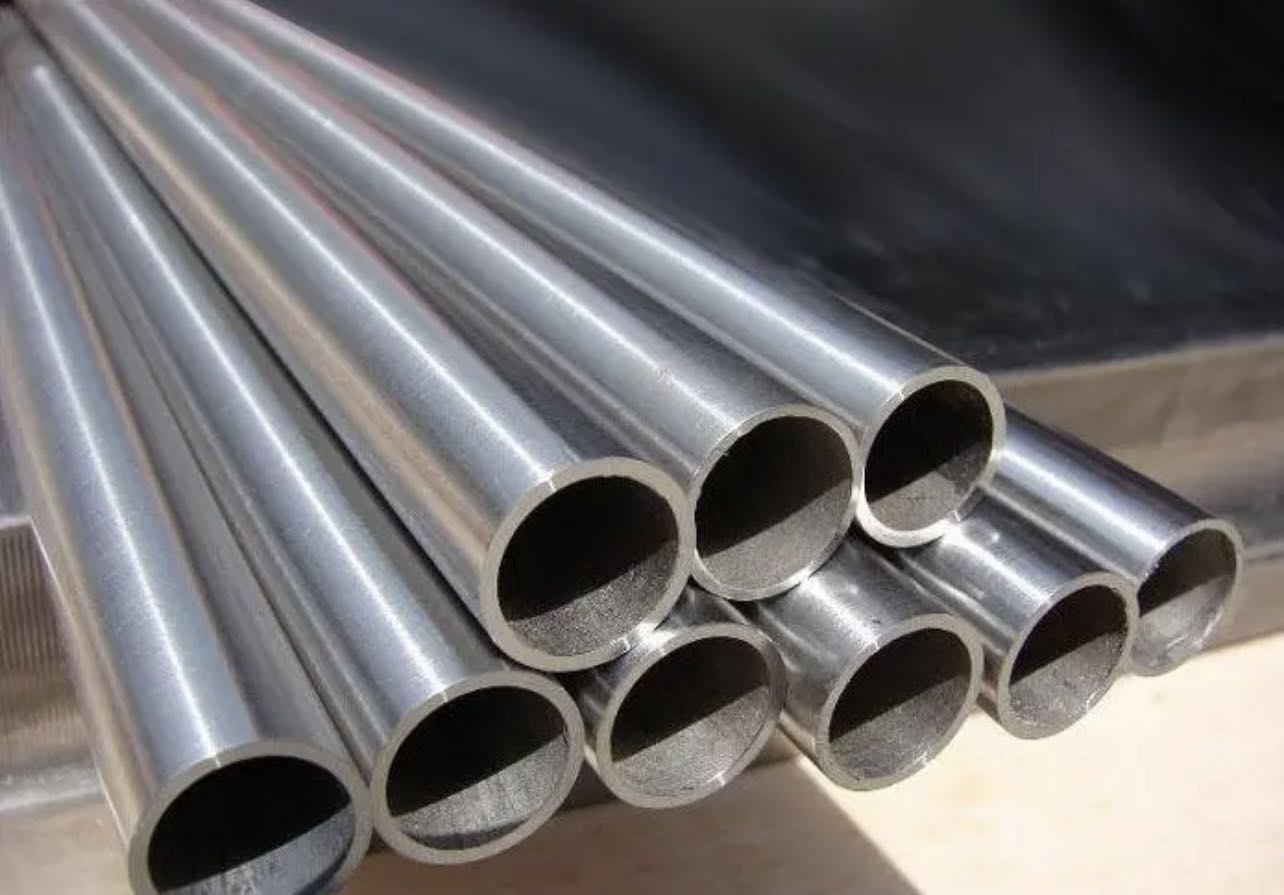
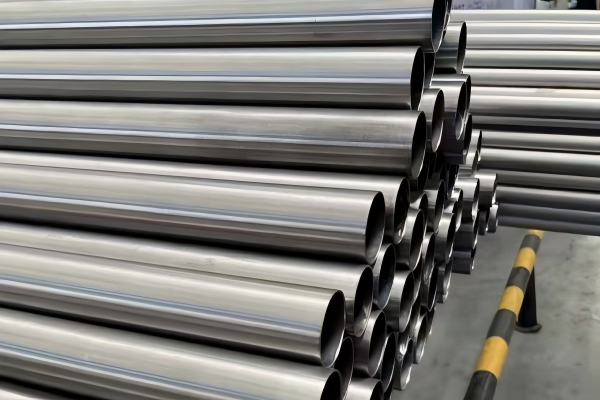
Hastelloy C276 Pipe is widely specified for corrosive service where conventional stainless steels cannot provide sufficient resistance. Manufactured in accordance with ASTM B622 for seamless pipe and ASTM B619 for welded pipe, it combines excellent resistance to pitting, crevice corrosion and stress corrosion cracking with good fabrication and welding characteristics. As a result, it is commonly used in chemical processing, petrochemical, offshore and environmental engineering systems.
A piping system is more than a connection between two pieces of equipment. It must transport process media safely while accommodating pressure changes, temperature fluctuations and long operating cycles without compromising system integrity.
Hastelloy C276 Pipe is typically selected where corrosion resistance throughout the entire fluid transport system is a primary engineering requirement. Whether installed as seamless process piping, welded transfer lines or custom-fabricated pipe assemblies, it provides dependable performance across a broad range of aggressive chemical environments.
Typical Selection Criteria
Corrosive process piping
Chloride-containing media
Pressure piping systems
High-purity chemical transfer
Offshore and marine installations
Compliance with ASTM B622, ASTM B619 and ASME SB622
Parameter | Range & Options |
Product forms | Seamless Pipe, Welded Pipe, Seamless Tube, Welded Tube |
Standards | ASTM B622, ASTM B619, ASTM B626, ASME SB622, ASME SB619, EN 10216‑5, EN 10217‑7 |
Alloy | Hastelloy C276 (UNS N10276 / W.Nr. 2.4819) – Ni‑Mo‑Cr alloy |
Pipe sizes (NPS) | Hastelloy C276 Pipe 1 Inch, 2 Inch, 3 Inch, 4 Inch – up to 12 Inch |
Schedule | SCH40, SCH80, SCH10, SCH160, custom – Schedule 40 Hastelloy pipe, Schedule 80 Alloy C276 pipe |
OD dimensions | Custom – Hastelloy C276 Tube Dimensions available |
Wall thickness | Thin wall (1.65mm‑3mm) to heavy wall up to 20mm |
Length | Standard 6m; cut to length alloy tube available |
Processes | Cold drawn seamless, welded (seam welded or laser), hot finished, pickled, polished |
Surface finish | Pickled (standard), polished, bright annealed, as‑welded |
Customization | Custom size Hastelloy pipe, cut to length, large diameter Hastelloy pipe, thin wall Alloy C276 tube |
1. Chemical Process Piping Systems
Chemical production lines rely on piping that can operate continuously while carrying aggressive acids, chlorides and mixed chemical solutions. ASTM B622 Hastelloy C276 Seamless Pipe is frequently specified for these systems because it provides reliable corrosion resistance throughout long service cycles.
Beyond corrosion performance, consistent dimensional accuracy simplifies field installation and supports leak-tight connections across extensive piping networks. This becomes particularly valuable in large processing plants where hundreds of welded joints must perform reliably over many years.
Using a common alloy specification throughout the piping system also helps standardize maintenance procedures and replacement planning.
2. Heat Exchangers & Pressure Piping
Heat exchangers often combine elevated temperatures with corrosive process fluids, creating demanding operating conditions for tubes and connecting pipelines. Hastelloy C276 Tube is commonly selected where both corrosion resistance and dependable mechanical performance are required throughout repeated thermal cycles.
Pressure piping connected to reactors, pumps and process vessels also benefits from materials capable of maintaining stable performance under fluctuating operating conditions. Good weldability further supports fabrication efficiency during system assembly.
For engineering contractors, selecting compatible materials across connected piping components helps improve overall system consistency.
3. Offshore, Marine & Environmental Systems
Corrosive marine atmospheres and environmental treatment facilities expose piping systems to chloride-bearing media for extended periods. Alloy C276 Pipe is regularly used in offshore installations, seawater-related equipment and flue gas desulfurization systems where localized corrosion can shorten service life.
Large environmental projects often involve complex pipe routing and multiple welded assemblies. Selecting materials with proven fabrication characteristics helps simplify construction while supporting reliable long-term operation.
Consistent material specifications throughout the piping network can also reduce inventory complexity for future maintenance.
4. Pharmaceutical & High-Purity Process Lines
High-purity production facilities require piping systems that combine corrosion resistance with reliable cleanliness and manufacturing quality. UNS N10276 Pipe is suitable for process lines handling aggressive chemical media while supporting the stringent quality expectations common in pharmaceutical and specialty chemical plants.
Projects involving custom pipe assemblies, fittings and flanged connections also benefit from coordinated material supply. Procuring compatible pipe products under a unified specification improves traceability and streamlines project execution from fabrication through installation.
Pipe procurement involves more than selecting a nominal size or alloy grade. Delivery condition, manufacturing standard, inspection requirements and compatibility with fittings and flanges all influence installation efficiency and long-term system reliability.
Reviewing these technical details during the quotation stage helps ensure that piping materials integrate smoothly into fabrication schedules, reducing installation delays and minimizing unexpected modifications on site.
Q: What standards apply to Hastelloy C276 Pipe?
A: Seamless pipe is typically supplied according to ASTM B622 / ASME SB622, while welded pipe and welded tube commonly follow ASTM B619 and ASTM B626.
Q: What is the difference between seamless and welded pipe?
A: Seamless pipe is generally preferred for higher-pressure and more demanding process services, while welded pipe may provide a cost-effective solution for suitable operating conditions and larger diameters.
Q: Which industries commonly specify Hastelloy C276 Pipe?
A: Typical applications include chemical processing, petrochemical plants, oil and gas, offshore engineering, pharmaceutical manufacturing, marine systems, heat exchangers and flue gas desulfurization facilities.
Q: Can Mono custom pipe sizes and fabrication services be provided?
A: Yes. Standard pipe schedules, custom dimensions, precision cutting and fabrication services can all be supplied according to project requirements.
Q: Are matching fittings and flanges available?
A: Yes. Compatible pipe fittings manufactured to ASTM B366 and flanges produced in accordance with ASTM B564 can be supplied together with pipe to support complete piping systems.
A piping project rarely consists of pipe alone. Tubes, fittings, flanges, reducers and fabricated sections must all work together while meeting the same material specification and project schedule.
Mono helps customers simplify this process by coordinating complete nickel alloy piping packages rather than supplying individual products in isolation. From material selection and processing to inspection documentation and delivery planning, we focus on helping engineering teams reduce procurement complexity and keep fabrication progressing smoothly.
Whether supporting plant expansion, equipment replacement or new process construction, our objective is to deliver piping materials that integrate efficiently into the entire project lifecycle.